
Car Diagnostics
Testing that helps identify the cause of a warning, symptom, no-start, or electrical concern before repair.
Read more ›Toyota created Scion for younger buyers, then ended the Scion badge and dedicated sales identity in 2016. Service support did not disappear. Most Scions use familiar Toyota engineering, and Toyota continued supporting the vehicles after the brand transition. We service xA, xB, xD, tC, iQ, iM, iA, and FR-S models.
The family has important exceptions. The FR-S was jointly developed with Subaru and uses a Subaru boxer-engine foundation with Toyota fuel-injection technology. The iA is Mazda-derived. Those differences change parts, fluids, scan information, and repair procedures, so a Scion should be identified by exact model and equipment rather than treated as one generic Toyota.
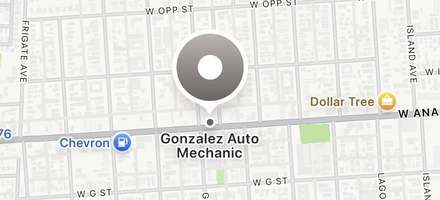
Owners usually call us because the car uses oil, cranks too long, shakes at idle, makes a clutch or transmission noise, chirps under the hood, or turns on a warning light. Stop-and-go traffic, heat, potholes, and short trips add wear to cooling systems, brakes, clutches, suspension, and engine oil. We keep Scions moving across the Harbor Area and South Bay from 841 W Anaheim St in Wilmington.
Follow the schedule for your exact model, engine, transmission, and driving pattern. These are the service areas we watch most closely on Scion vehicles.
The symptom comes first. Model and year help us choose the test plan, but they do not replace inspection, scan data, and mechanical testing.
YOUR NEXT STEP
Choose a preferred day and arrival window online. The shop will follow up during business hours to confirm it.
No. The Scion badge and dedicated sales identity ended, but Toyota stated that service and repair support would continue. We also service these vehicles independently. Exact model knowledge still matters because the FR-S and iA do not use the same mechanical foundation as most Toyota-based Scions.
External leaks, normal use, service history, and internal consumption all need to be separated. Certain 2007 to 2009 tC and 2008 to 2009 xB vehicles had a documented oil-consumption pattern. We inspect for leaks, verify the level, and measure consumption before discussing internal repair.
No. A fuel-aeration condition can create a harmless pump chirp at idle, while rough idle, long cranking, and misfire faults can have separate causes. We identify the exact sound and symptom, review codes and data, and inspect the related system before recommending a pump or engine repair.
Yes. We use professional diagnostic equipment to test warning lights, electrical faults, low-voltage problems, and network communication before recommending repair work.
Testing that helps identify the cause of a warning, symptom, no-start, or electrical concern before repair.
Read more ›System-level repair for soft pedals, leaks, warnings, changed stopping, calipers, hydraulics, and ABS concerns.
Read more ›Start with a warning light, noise, leak, smell, or change in how the vehicle drives.
Read more ›