


Car Diagnostics
Testing that helps identify the cause of a warning, symptom, no-start, or electrical concern before repair.
Read more ›Porsche means precision - every model is engineered to be driven hard and still last.
The 911 (rear-engine flat-six), Cayenne and Macan SUVs (Cayenne shares platform DNA with Audi Q7 and VW Touareg), and Boxster/Cayman mid-engines each have their own service personalities. The water-cooled 996/997-generation 911s (1999-2008) are well known for IMS bearing issues; newer 9A1 and 9A2 engines fixed that but introduced their own service points. Porsche ownership is rewarding when maintenance is done right - and expensive when it isn't. The factory service schedule is non-negotiable.
Porsche A40 approval full synthetic (0W-40 or 5W-40) covers most gasoline engines; the newest cars (992-generation 911, current Cayenne and Panamera) specify low-ash C40 0W-20 instead, and the two are not interchangeable. Service per the model's specific schedule - typically annually or every 10,000 miles, never longer. On the M96/M97 flat-six (996/997 and 986/987 era) we recommend 5,000-7,500 mile intervals; clean oil is the cheapest defense against bore scoring. Porsche maintenance is unforgiving of shortcuts, and oil is where shortcuts show up first.
Every 40,000 miles or 4 years on most modern models; some older naturally aspirated flat-six schedules stretch to 60,000 miles. Ignition coils crack with heat cycles on the boxer engines - on higher-mileage cars, replace coils with the plugs rather than paying the labor twice.
Every 2 years regardless of mileage - high-performance systems demand it. The rule applies equally to iron brakes and PCCB ceramics: PCCB rotors tolerate enormous heat, which makes moisture-degraded fluid the weak point, and ceramic rotors are far too expensive to risk on a soft pedal. Track-driven cars should flush annually or per event.
PDK dual-clutch fluid service every 40,000 miles according to Porsche's schedule; low-speed clutch shudder is usually the first sign an owner skipped it. Tiptronic automatics need fluid and filter service around every 60,000 miles despite the lifetime-fill label. Manual gearbox oil is cheap insurance on the same cycle.
Porsche's pink long-life coolant only - generic green coolant corrodes the mixed-metal system. On Cayenne V8s, coolant service includes inspection and replacement of the plastic coolant pipes that fail predictably; upgraded aluminum pipes address that known failure pattern. Plastic thermostat and water pump housings are wear items across the lineup, so every coolant service includes a pressure test.
Water-cooled Porsche engines use timing chains with no scheduled replacement. The exception that demands attention: the intermediate shaft (IMS) bearing on 996 and early 997 911s and 986/987 Boxster/Cayman. If the car has not already been retrofitted with an upgraded bearing, it should be assessed - and a clutch job is the natural time to install one. The 9A1 engines from 2009 on eliminated the intermediate shaft entirely. Front-engine classics (944, 968, 928) run timing belts on a strict 4-year cycle.
Porsches that sit for long periods, crank slowly, or show a low-battery warning may need the battery and charging system checked. A battery maintainer can help a weekend or garage-kept car stay ready between drives. Low battery power can also turn on warning lights that do not point to a separate repair.
Premium unleaded is required, not suggested. California 91 octane meets Porsche's minimum; never run regular; sustained knock retard costs power. Top-tier detergent gasoline helps slow intake-valve carbon on the direct-injection engines.
SYSTEM-FOCUSED SERVICE
Pedal feel, warning lights, noise, heat and vibration on a Porsche point the inspection toward different parts of the system. We measure first and explain the repair choices.
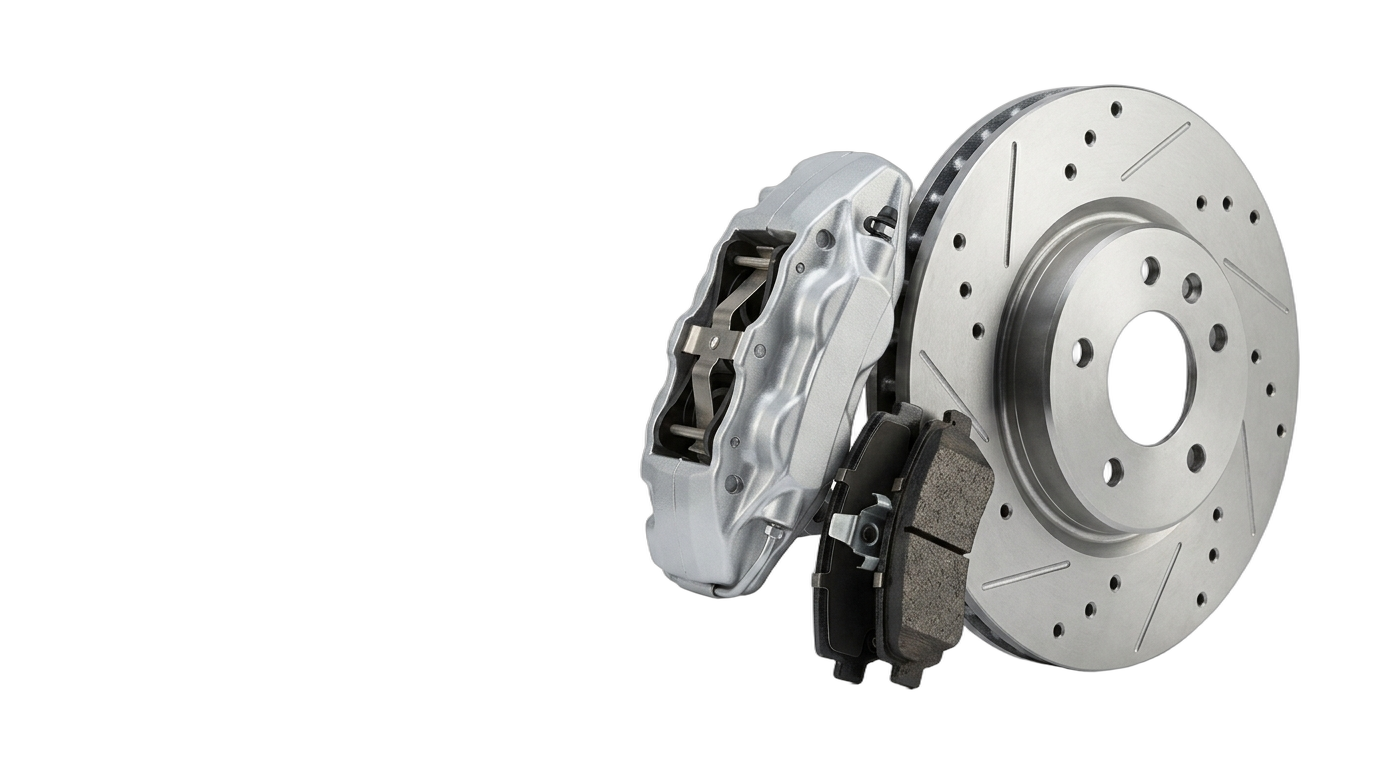
Porsche repairs cluster around well-documented patterns by model and generation. Knowing the platform matters.
YOUR NEXT STEP
Choose a preferred day and arrival window online. The shop will follow up during business hours to confirm it.
If your Boxster still has its original bearing, it should at least be assessed, because the single-row IMS bearing in 2000-2005 cars has the highest documented failure rate of the M96/M97 era, and an outright failure typically costs the engine. An upgraded retrofit bearing can address this known risk, and the natural time to install it is during a clutch job, when the labor overlaps almost completely and the rear main seal can be handled at the same time. Cars from 2009 on with the 9A1 engine have no intermediate shaft at all, so this applies only to the 996/997 and 986/987 generations.
Bore scoring on the M96/M97 flat-six shows up as ticking on cold starts, rising oil consumption, and soot collecting on one tailpipe, and it is worst on the 3.6 and 3.8 engines. A borescope inspection through the spark plug holes can provide useful evidence without major disassembly, which also makes it a must during a pre-purchase inspection. Clean oil on 5,000-7,500 mile intervals is the cheapest ongoing defense these engines have.
On the 955/957 Cayenne V8s (2003-2010), the factory plastic coolant pipes sit in the valley under the intake and fail predictably past 80,000 miles, so coolant often escapes where you will never see it hit the ground. The permanent fix is the upgraded aluminum pipe set, which ends the pattern instead of resetting the clock with more plastic. Watch the level closely in the meantime; a pipe that lets go can dump coolant quickly, and overheating a V8 is the outcome to avoid.
A puff at startup that clears, often with a rough idle, is the classic sign of a failing air-oil separator (AOS) on the water-cooled flat-six, which lets the engine draw oil vapor into the intake. High crankcase vacuum confirms it quickly. A tired AOS will not strand you, but a fully failed one smokes heavily and fouls the spark plugs, so bring the car in for the vacuum test before it gets that far.
Testing that helps identify the cause of a warning, symptom, no-start, or electrical concern before repair.
Read more ›System-level repair for soft pedals, leaks, warnings, changed stopping, calipers, hydraulics, and ABS concerns.
Read more ›A European-vehicle specialty hub for choosing the right diagnostic, repair, or maintenance path.
Read more ›