


Brake Pads & Rotors
Measurements that help show whether squeal, grinding, pulsation, or wear calls for brake pads, rotor work, both, or no work yet.
Read more ›A brake concern does not always begin and end with pads and rotors. A soft pedal, a fluid leak, a warning light, pulling, vibration, noise, or a change in stopping can point to different parts of the system. The useful first step is to match the symptom to the right inspection instead of choosing a part before the cause is known.
We check the braking concern as a system. We explain what the inspection finds, what needs attention now, and what can wait before you approve repair work. If the concern is limited to normal friction wear or routine fluid maintenance, the focused pages below explain those decisions in more detail.
Do not keep driving when the pedal is soft or sinking, brake fluid is visibly leaking, braking ability is materially reduced, grinding is paired with changed braking, or a brake warning appears together with degraded stopping.
Ordinary squeal, pull, or vibration deserves prompt inspection, but the symptom alone does not prove that the vehicle is unsafe or identify the failed part.
Stop in a safe place, do not continue driving, and call the shop.Stop in a safe place and do not continue driving. If the vehicle cannot be moved safely, contact roadside assistance. Use the online form to request an appointment; we will follow up during business hours.
Start with a full brake-system inspection when the pedal feels soft or sinks, stopping has changed, a brake-fluid leak is visible, a brake or ABS warning appears, the car pulls while braking, one wheel seems unusually hot, or the symptom is not clearly ordinary pad wear.
A squeal, grind, or pulsation also deserves a full-system starting point when you are unsure of the source. The inspection determines whether the vehicle needs pad or rotor work, a caliper or hydraulic repair, electronic-control testing, or attention to a related chassis concern.
The starting checks follow the symptom. Pedal feel and visible leakage direct attention toward hydraulic pressure, lines, hoses, the master cylinder, and calipers. A warning light may call for reading stored fault information and checking the ABS or related controls. Some European models use electronic pad-wear sensors; that warning still needs vehicle-specific testing and does not identify the failed part by itself. Pulling, vibration, heat, and uneven wear can involve calipers, hardware, hoses, pads and rotors, or a suspension or steering source.
That is why a complete answer may be hydraulic repair, caliper work, electronic diagnosis, pads and rotors, a related suspension check, or no repair until the evidence is stronger. The stored code, noise, or vibration is a clue, not the whole diagnosis.
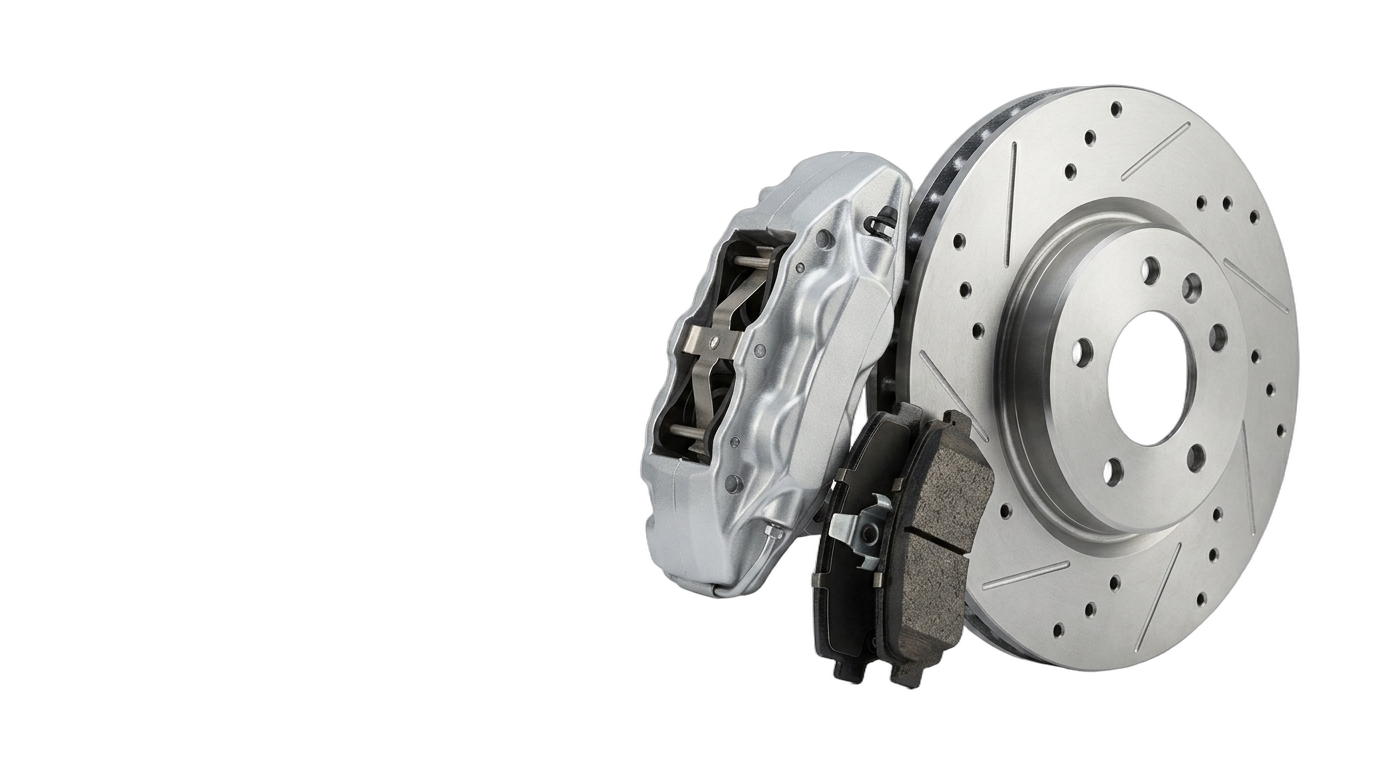
A hydraulic leak or pressure problem needs repair because routine maintenance will not fix it. A caliper or hose concern also needs brake-system repair. With a normal pedal, measured pad or rotor wear may call for Brake Pads & Rotors, while a maintenance question about fluid history may call for Brake Fluid Service.
If the inspection confirms that a pull or vibration begins outside the brakes, we explain that before recommending the appropriate next service. The goal is a repair that matches the cause, not the largest possible parts list.
When you contact the shop, describe the pedal feel, how stopping changed, any warning lights or leaks, the type of noise, whether the car pulls or vibrates, and when the symptom began. Those details give the inspection a better starting point.
You can review the current brake inspection offer. Eligibility and terms are listed on the offer page.
We will inspect the system connected to the symptom and explain the repair choices before work begins.
Yes. An ABS or related control fault can appear before normal pedal feel changes. The light still deserves testing because the stored fault is only a starting clue, and the anti-lock function may not be available even if ordinary braking still feels familiar.
Yes. Uneven wear can involve caliper movement, hardware, a hose restriction, or another condition that keeps one side from applying or releasing normally. Measuring the wear and checking the related components helps identify what is causing the uneven wear.
Measurements that help show whether squeal, grinding, pulsation, or wear calls for brake pads, rotor work, both, or no work yet.
Read more ›Scheduled fluid maintenance separated from soft-pedal, leak, and hydraulic repair concerns.
Read more ›Testing and repair for clunks, bouncing, pulling, vibration, wandering, or loose steering.
Read more ›