Warranty: 1-year/12,000-mile warranty. SEE WHAT IT COVERS
Mon-Fri: 8:00 AM to 5:00 PMSat: 8:00 AM to 3:00 PM
Español

Mitsubishi REPAIR AND MAINTENANCE IN WILMINGTON, CA

Mitsubishi built a wide range of vehicles, from the Mirage and Lancer to the Outlander Sport, Outlander, Eclipse Cross, and Lancer Evolution. Their engines, CVTs, conventional transmissions, turbo systems, and all-wheel-drive hardware do not all follow one service plan. Correct model identification, fluid requirements, scan data, and repair procedures matter before work begins.

About Mitsubishi service

Owners usually call us because the vehicle shakes when taking off, the engine speed rises without matching acceleration, a transmission-temperature message appears, the A/C blows warm, the front end clunks, or the check-engine light comes on. Several different faults can produce the same complaint. We reproduce the symptom and read the related data instead of assuming every hesitation means the transmission has failed.

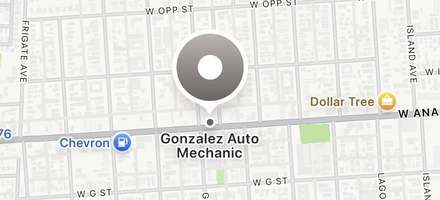
Stop-and-go traffic, freeway heat, potholes, and short trips are demanding on CVT fluid, cooling systems, brakes, A/C, suspension, and engine oil. Consistent maintenance helps a Mitsubishi remain dependable in the Harbor Area and South Bay. Gonzalez Auto Mechanic serves Mitsubishi drivers from 841 W Anaheim St in Wilmington.

Common maintenance needs

Follow the schedule for your exact model, engine, transmission, and use. These are the service areas we watch most closely on Mitsubishi vehicles.

Mitsubishi Maintenance Schedule

  • Engine Oil and Oil Level: Use the viscosity and requirement listed for your engine, and check the level between services. Short trips and heavy traffic can make severe-use guidance more relevant. Turbocharged models depend on clean oil and correct oil flow, so a low level, fresh leak, smoke, or oil warning deserves prompt attention.
  • Cooling System: Watch the coolant level and temperature display in hot freeway conditions. A sweet smell, wet residue, frequent fan operation, or rising temperature needs testing. We inspect the pump, hoses, radiator, cap, thermostat operation, and fans before recommending a repair.
  • Spark Plugs, Filters, and Ignition: Intervals differ by engine and plug type. A rough idle, hard start, flashing check-engine light, or weak acceleration can involve ignition, fuel, air, compression, or a control issue. We check codes and live data before replacing coils, plugs, sensors, or filters.
  • CVT and Transmission Fluid: The correct Mitsubishi fluid and service procedure depend on the transmission. Fluid temperature and degradation data also matter on CVT-equipped models. Shudder, delayed acceleration, engine flare, or a temperature warning requires diagnosis before a drain, software update, valve-body repair, or transmission repair is recommended.
  • Brake Fluid and Brake Wear: We inspect brake-fluid condition, pad thickness, rotor condition, hoses, caliper movement, and hardware. A squeal, pulsing pedal, steering-wheel shake, or pull while braking should be checked before worn or sticking parts damage additional components.
  • Suspension, Steering, and Tires: Potholes and curb impacts can expose worn links, bushings, struts, wheel bearings, alignment problems, and damaged tires. Tell us whether a clunk happens over bumps, while turning, or during braking so we can inspect the correct area.

Common repair concerns for Mitsubishi vehicles

The symptom comes first. Model and year help us narrow the test plan, but they do not replace inspection, scan data, and physical checks.

Common Mitsubishi Repair Patterns

  • CVT Shudder, Engine Flare, or Delayed Acceleration: Certain 2015 Outlander Sport vehicles can shudder at low speed or raise engine RPM without matching road speed. Certain 2015 to 2016 Outlander Sport and 2016 Outlander and Lancer models also had a documented hesitation condition. That hesitation group includes a safety recall with no-charge dealer TCM reprogramming for applicable VINs. We check the VIN first and refer any open recall to Mitsubishi before customer-paid diagnosis or programming. When no open recall applies, software, a range signal, hydraulic control, fluid condition, and internal wear still require different tests.
  • “Slow Down” Transmission Warning: On some CVT-equipped Outlander Sport, Outlander, and Lancer models, a “Slow Down” message can appear when transmission-fluid temperature rises during freeway driving, high ambient heat, or a long climb. We check fluid level and condition, degradation data, stored faults, cooling, and transmission operation. If the warning stays on or the vehicle loses response, stop safely and call before continuing.
  • Outlander Sport A/C Blows Warm: Some 2013 to 2014 Outlander Sport vehicles had a documented evaporator-leak pattern. Warm air or refrigerant that keeps getting low still does not prove the evaporator is the source. We verify system pressure and operation, then inspect accessible valves, hose connections, the evaporator drain, and vent airflow before recommending parts.
  • Front Clunk Over Bumps: Some 2013 Outlander Sport vehicles developed a front knock involving strut-shaft or stabilizer-link attachment points. Similar sounds can come from links, bushings, mounts, struts, ball joints, or loose hardware. We reproduce the noise and inspect movement and fastener condition before replacing components.
  • Lancer Engine Warning or Timing Concern: On turbocharged Lancer Evolution and Ralliart models, a stretched timing chain can affect camshaft timing and turn on the check-engine light. Code P0012 or a change in engine sound is a reason to inspect timing data and mechanical alignment, not an automatic instruction to replace a sensor.
Bring us your Mitsubishi and we will test before we replace.Call (310) 756-5932Request an appointment

Mitsubishi questions we hear

Does shuddering mean my Mitsubishi CVT has failed?

Not necessarily. Applicable 2015 to 2016 VINs may have an open safety recall for no-charge dealer TCM reprogramming, so we check recall status first and refer open work to Mitsubishi. When no open recall applies, software, a range signal, fluid level or condition, hydraulic control, overheating, and internal wear can cause overlapping symptoms. We reproduce the concern before recommending service or major repair.

What should I do when my Mitsubishi displays “Slow Down”?

Reduce load and stop safely if the vehicle loses response or the warning remains on. The message can indicate high transmission-fluid temperature. After the vehicle is safe, the fluid level and condition, degradation data, stored faults, cooling, and CVT operation should be checked before more freeway driving.

Why does my Outlander Sport A/C keep blowing warm?

Low refrigerant, a leaking valve or connection, an evaporator leak, fan or electrical faults, and compressor-control problems can feel similar. Certain 2013 to 2014 vehicles had a documented evaporator concern, but we still leak-test and verify operation before recommending that repair.

Can you diagnose electronic problems on Mitsubishi vehicles?

Yes. We use professional diagnostic equipment to test warning lights, electrical faults, low-voltage problems, and network communication before recommending repair work.

Services for your Mitsubishi

Car Diagnostics

Testing that helps identify the cause of a warning, symptom, no-start, or electrical concern before repair.

Read more ›

Brake Repair

System-level repair for soft pedals, leaks, warnings, changed stopping, calipers, hydraulics, and ABS concerns.

Read more ›

Oil Change

Oil and filter service using the right oil for your vehicle.

Read more ›

Auto Repair

Start with a warning light, noise, leak, smell, or change in how the vehicle drives.

Read more ›