


Car Diagnostics
Testing that helps identify the cause of a warning, symptom, no-start, or electrical concern before repair.
Read more ›Maserati occupies the high-end specialty corner of the European market - Italian luxury performance with Ferrari engineering DNA under the hood of most models. The US lineup centers on the Ghibli sedan, the Quattroporte flagship sedan, the Levante SUV, the Grecale smaller SUV, and the GranTurismo coupe. Maserati is a niche luxury brand; its owners often commit to keeping the cars long-term.
The engines that matter on a modern Maserati are Ferrari-built. The 3.0L twin-turbo V6 ("Nettuno-derived" in the Grecale Trofeo and Ghibli Trofeo, "F154" in standard Ghibli and Quattroporte) is built at Ferrari's Maranello facility. The 3.8L twin-turbo V8 in older Quattroporte and Ghibli GTS / Levante GTS / Trofeo models is the same engine family as the Ferrari California T and Portofino. The ZF 8HP 8-speed automatic transmission handles the power across the lineup. The mechanical sophistication of these powertrains means service requires Maserati-specific diagnostic tools (Maserati MDX or compatible) and fluids approved for the vehicle.
Maserati ownership rewards specialist knowledge. The Ferrari-built engines are robust when properly maintained but unforgiving of skipped oil services and incorrect fluids. The brand's exclusivity means each Maserati service deserves careful inspection, especially on weekend or special-occasion vehicles.
Maserati service intervals follow the factory-specified schedule with shorter intervals than mainstream European brands due to the performance nature of the engines.
Maserati specifies Selenia or factory-approved synthetic - typically a 5W-40 high-performance synthetic. Service interval is 7,500 miles according to the factory schedule; we recommend 5,000 miles for cars driven hard or stored for extended periods between drives. Ferrari-built engines have tight tolerances and benefit from fresh oil.
30,000-40,000 miles on the twin-turbo V6 and V8 engines. Earlier replacement than typical because of the high cylinder pressures and aggressive ignition timing. NGK iridium or factory-approved is required.
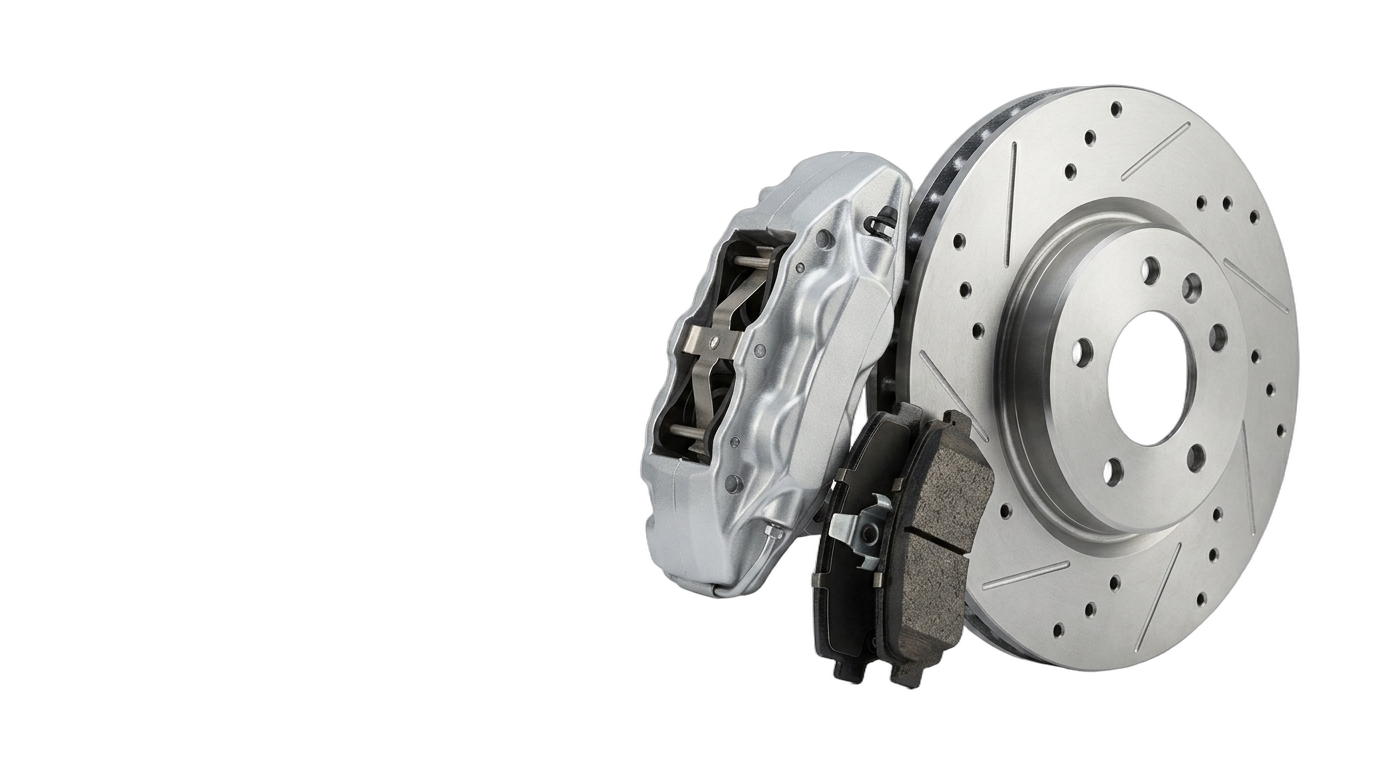
Every 12 months on factory schedule (more frequent than most luxury brands) due to the high-performance braking systems. Brembo brakes with sensitive ABS/ESC systems require fresh fluid.
ZF 8HP 8-speed automatic - fluid + filter service every 50,000 miles (Maserati specifies slightly shorter interval than BMW). Use ZF Lifeguard 8 or equivalent. The transmission handles substantial torque from the twin-turbo engines, and fluid degradation is faster than in lower-output applications.
Maserati factory coolant or equivalent OAT-type, every 5 years.
AWD models (Levante, Grecale, Ghibli Q4, Quattroporte Q4) need fluid service at 50,000 miles. Skipping causes accelerated wear on AWD components.
Premium 93+ octane required (not 91) on most Maseratis. The high compression ratios and aggressive timing require highest-octane available. Running 91 is acceptable in California where 91 is the highest octane sold, but 93 (when available) is preferred. Running 87 or 89 causes immediate knock and long-term damage.
SYSTEM-FOCUSED SERVICE
Pedal feel, warning lights, noise, heat and vibration on a Maserati point the inspection toward different parts of the system. We measure first and explain the repair choices.
Maserati repairs cluster around the Ferrari-built engines and the ZF transmission. Carbon buildup, turbo wear, and electrical complexity are the defining patterns.
Maseratis are rewarding to own when maintained properly and expensive to ignore. Ferrari-built engines have tight tolerances - they reward fresh oil, fresh plugs, and fresh transmission fluid. They penalize delayed service quickly.
YOUR NEXT STEP
Choose a preferred day and arrival window online. The shop will follow up during business hours to confirm it.
We suggest the opposite. The factory interval is 7,500 miles on Selenia 5W-40, but 5,000 miles or once a year is the smarter rhythm for cars that sit between drives, because short trips and storage let moisture and fuel build up in the oil. Hard-driven cars deserve the shorter interval as well. A battery tender is another good habit for a Maserati that spends most of the week parked.
The Brembo high-performance brake system runs harder and hotter than typical factory brakes, so Maserati specifies fresh fluid every 12 months. Fluid that has absorbed moisture boils at a lower temperature and softens the firm pedal these cars are built around. The annual flush keeps the pedal consistent and protects the hydraulics, so treat it as a fixed yearly appointment.
On the F154 twin-turbo V6 shared by the Ghibli, Quattroporte and Levante, a metallic rattle past 80K miles is most often wastegate rattle from the turbos. The same engines also accumulate intake carbon from around 60K miles, felt as rough idle and lost power. Neither is an instant emergency, but both progress with miles, so it makes sense to have the noise heard and the intake checked in the same visit.
You are fine. Maserati prefers 93 or higher, but 91 is accepted where 93 is not sold, and 91 is simply the California maximum. The real rule is never to go below 91 on these twin-turbo engines, because low octane invites knock under boost. Skip midgrade and regular entirely.
Testing that helps identify the cause of a warning, symptom, no-start, or electrical concern before repair.
Read more ›System-level repair for soft pedals, leaks, warnings, changed stopping, calipers, hydraulics, and ABS concerns.
Read more ›A European-vehicle specialty hub for choosing the right diagnostic, repair, or maintenance path.
Read more ›